Trust is earned on the roofline, not in the office. In a county where coastal winds meet flatland weather, roofing has to be done with discipline and an eye for details that fail only show years later. Homeowners in Norfolk talk to each other, and in that word-of-mouth circuit, some firms rise because their work keeps water out and heat in without fuss. Norwich & Norfolk Roofers sits in that camp. The reasons are not shiny slogans, but habits that show up on cold scaffolds, under wet felt, and across follow-up calls two winters after the final sweep-up.
The regional realities that shape good roofing
The Norfolk climate is a teacher. Rain rarely arrives in one dramatic downpour and ends; it lingers, driven by sea breeze, finding the smallest capillary path under a loose ridge tile. In autumn the diurnal swing can run 8 to 12 degrees, which means expansion and contraction cycles that punish poor fixings and cheap mastics. Add seabird droppings along the coast, soft water lichen inland, and a good dose of UV on south-facing slopes in July, and you get a testing ground that exposes weak practice.
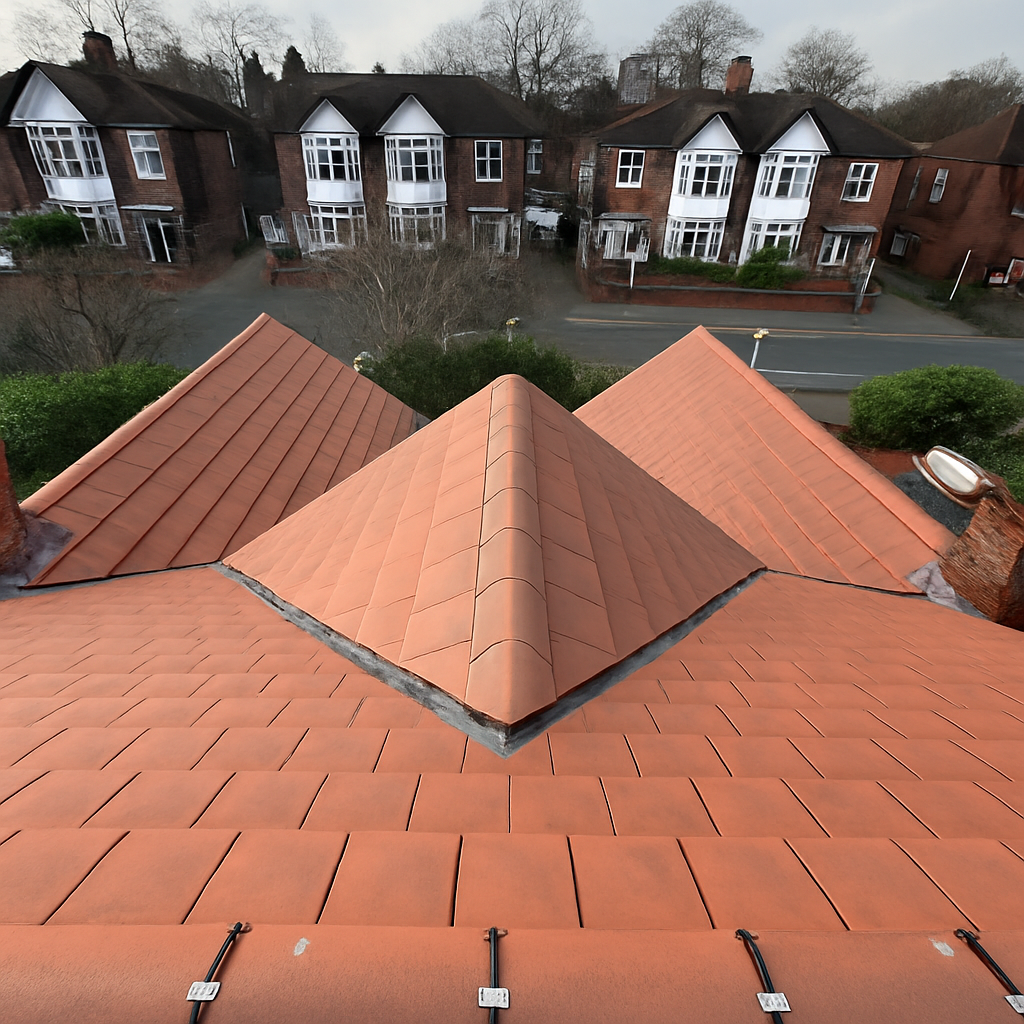
Roofing Norwich homes is not a single category of work either. Thorpe St Andrew terraces carry soft red clay tiles from the 1930s, while new builds on the outskirts mix interlocking concrete tiles with complex valley geometry. The Broads have timber-framed cottages that require sympathetic ventilation solutions. One-size-fits-all methods fail here. A roofer earns trust by reading the building’s age, materials, and microclimate, then tailoring the specification.
What “quality” means when you climb a ladder
On paper, quality is a list of products and guarantees. On the scaffold it is small choices made in sequence. I have watched crews that treat every eave as a course to rush, and others that treat it as a junction to build, piece by piece. Norwich & Norfolk Roofers takes the second path. You see it in the way they set out a roof so cuts land above hips, in how they back-nail slates in exposure zones rather than relying on adhesion, and in how they keep fixings within manufacturer torque guidelines so you do not crush a tile nib.
A homeowner often only sees the top skin, but the underlay and ventilation strategy make or break the system. Quality in Norfolk means breathable membranes with the right vapour resistance for the house’s insulation profile, counter-battening that preserves airflow, and eaves trays that prevent ponding behind the gutter after a North Sea blow. The firm’s teams tend to recommend robust membranes like 120 to 150 gsm products for open exposures, not the flimsy 90 gsm that flaps itself to ribbons by year three. That choice costs slightly more at purchase and saves a callout when winter lifts the lap.
Why roofing Norwich homes needs local judgement
The phrase roofing norwich is more than a search term; it is a shorthand for architecture and weather patterns. In the Golden Triangle, chimneys are frequent, often with messy historical leadwork. The right move is to strip back far enough to tie new lead into sound brickwork, then chase and point with lime-based mortars where the original bricks demand it. Cement-based pointing may look crisp on day one, but on a porous Victorian stack it traps moisture and accelerates spalling. Trades that understand local brick behave differently make better long-term decisions.
Along the coast, salt accelerates corrosion. Stainless fixings and higher-grade lead patination oil are not luxuries there, they are risk management. Inland near Wymondham, clay soils move enough to crack older lath-and-plaster ceilings. That matters because roof ventilation that is too aggressive can introduce drafts that show up as ceiling fissures in winter. Balanced ventilation, not simply “more vents,” is the goal. Norwich & Norfolk Roofers rarely throw a generic ridge vent at a delicate plaster ceiling without controlling the eaves airflow in tandem.
The anatomy of a well-run roofing job
Homeowners tend to remember three things after a project: whether the roof leaks, how the place looked during the works, and how they were treated when questions came up. A smooth process is not accidental.
First, the survey. The best surveys disturb as little as possible while revealing enough. I have watched their surveyors use borescopes in soffits to check batten condition and cavity moisture without ripping fascia items off. Drone footage helps as well, but a drone cannot feel soft battens. Stepping a boot across a brittle concrete interlock tile and hearing that tell-tale hollow ring signals degradation in a way photos cannot.
Specification is next. Generic quotes hide risk. Detailed ones show allowance for replacement of a percentage of rotten rafters, actual lead code numbers, and choice of tile with lead time. In Norfolk, code 4 lead for soakers, code 5 or 6 for bays, depending on span and exposure, keeps movement within limits. You want these numbers on paper, not a vague promise of “proper lead.”
Then the setup. Scaffolding that clears gutter lines by the right margin allows clean access and protects eaves felt. Lazy scaffolds make crews lean and damage tiles. Norwich & Norfolk Roofers tends to over-spec scaffolds slightly for awkward corners, which costs a bit more but reduces breakage and speeds fit. Site protection matters as well: sheets over conservatory roofs, temporary downpipes, and debris nets where gardens sit tight to walls.
On the build, sequencing matters. Strip and sheet over the same day if weather threatens. On large roofs, run the membrane and batten in zones that can be made watertight before stopping. I have seen them stop at natural water breaks, such as over a valley line, rather than mid-slope. That habit prevents capillary lift under a half-finished lap in a midnight squall.
Finally, handover. Photographs of hidden work are not a gimmick. Homeowners cannot see a chimney step flashing once tiles go back. A dated set of images, with clear shots of lap directions and fixings, builds confidence and provides a reference if something shifts years later.
Materials that live up to their warranties
A Norfolk roof sees driving rain and long sun arcs across July skies. Not every tile or slate tolerates that without discoloration or premature softening. Concrete interlocks have improved, but the cheaper variants show pigment fade by year five. Clay tiles hold colour and shed growth better, but they are heavier, and not every truss system wants the extra load. The right move is not always premium, it is proportionate.
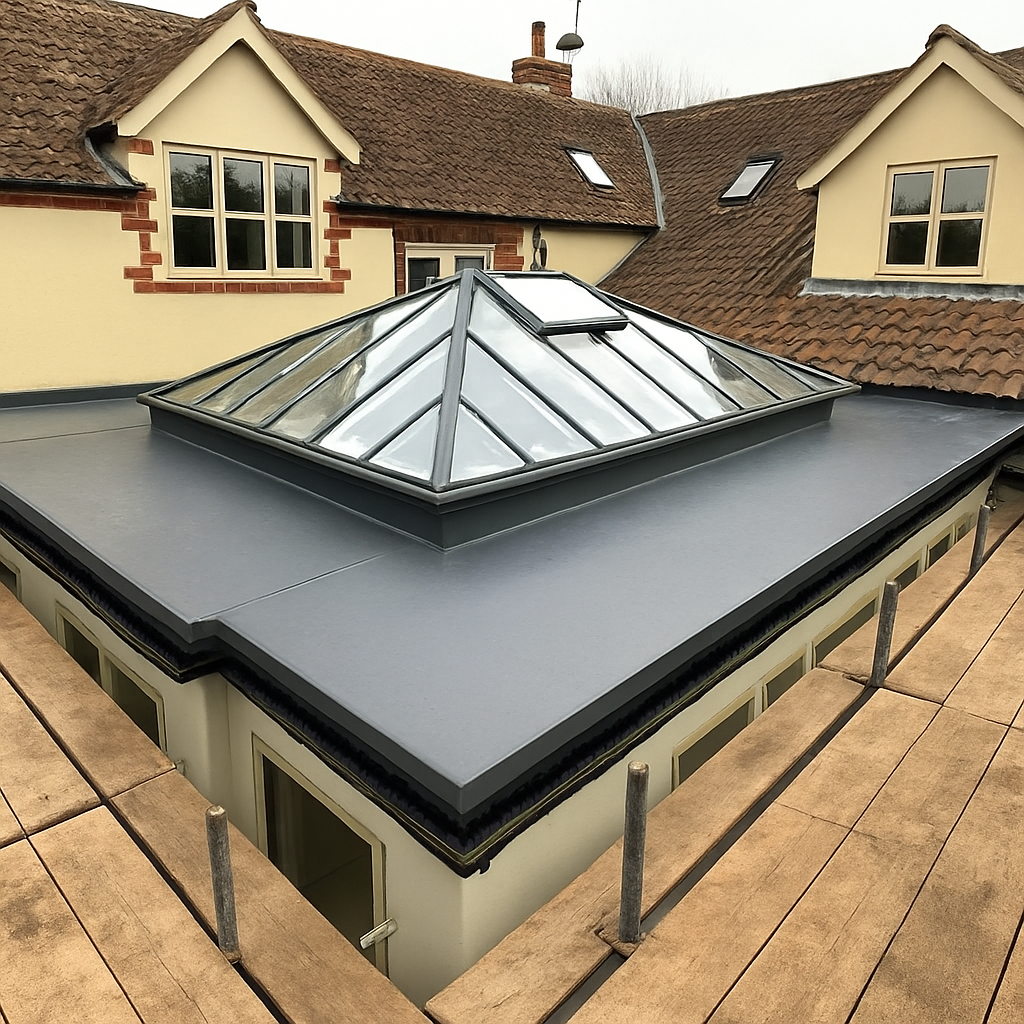
For flat roofs, the county is full of built-up felt that did two decades without complaint. Single-ply membranes tempt with speed, and they have their place, but detail work at upstands and skylights separates a roof that lasts from one that blisters. Acrylic primers under EPDM on chalky old concrete, proper corner patches rather than “stretch and hope,” and termination bars set to the right height above pooling risk are the marks of care. On exposed coastal bungalows, I have seen Norwich & Norfolk Roofers specify GRP with fire-rated topcoats where barbecue areas sit under leeward eaves. It is not a sales upsell; it is a judgement about heat sources and wind patterns.
Lead remains a quiet hero. Good practice means avoiding lengths that exceed guidance, allowing for expansion, and using patination oil correctly. Skipping the oil on a south-facing dormer is an invitation to streaks that homeowners notice every time the sun hits. The firm’s foremen are fussy about dressing lead on sandbags, not against brick, to avoid micro-cracks. That fussiness is why their valleys stay neat.
Cost clarity without corner cutting
Roofing quotes can feel like a fog. A homeowner sees a bottom line and a stack of trade jargon. The trustworthy approach is to surface the trade-offs. You can always shave a price with lighter battens or a thinner membrane, but you pay later. When Norwich & Norfolk Roofers lays out options, they tend to show the life-cycle costs. A concrete tile might save 8 to 12 percent upfront over quality clay, but you accept more moss growth and potentially earlier replacement in 25 to 30 years. If you plan to stay in the house long-term, clay can be cheaper over the total period. If you will move in five years, that calculus changes. It is not manipulative to talk about it plainly.
The same holds for ventilation. Retrofitting eaves vents and a continuous ridge system is not glamorous, but the effect on loft moisture levels is measurable. I have seen humidity drop from the mid-70s to the low-60s percent in winter within two weeks on a Norwich bungalow after contact us proper vents went in. That change means timber and insulation last. It adds cost to a reroof, and it earns back through the life of the structure.
Handling the messy edge cases
Trust grows when a company deals well with problems. Norfolk roofs hand out edge cases: a bat roost discovered under ridge tiles, rotten valley rafters that crumble under a boot, or an unexpected thatch underlay revealed in an old cottage. Bats are a protected species. I have seen this firm stop, bring in ecologists, and phase work around roost times. That pause frustrates schedules, but it avoids legal trouble and respects the building’s ecology. With valley rafters, the honest path is to show the homeowner the damage, price a proper repair, and keep the roof weathered in the meantime. Quick plates and wishful thinking do not last.
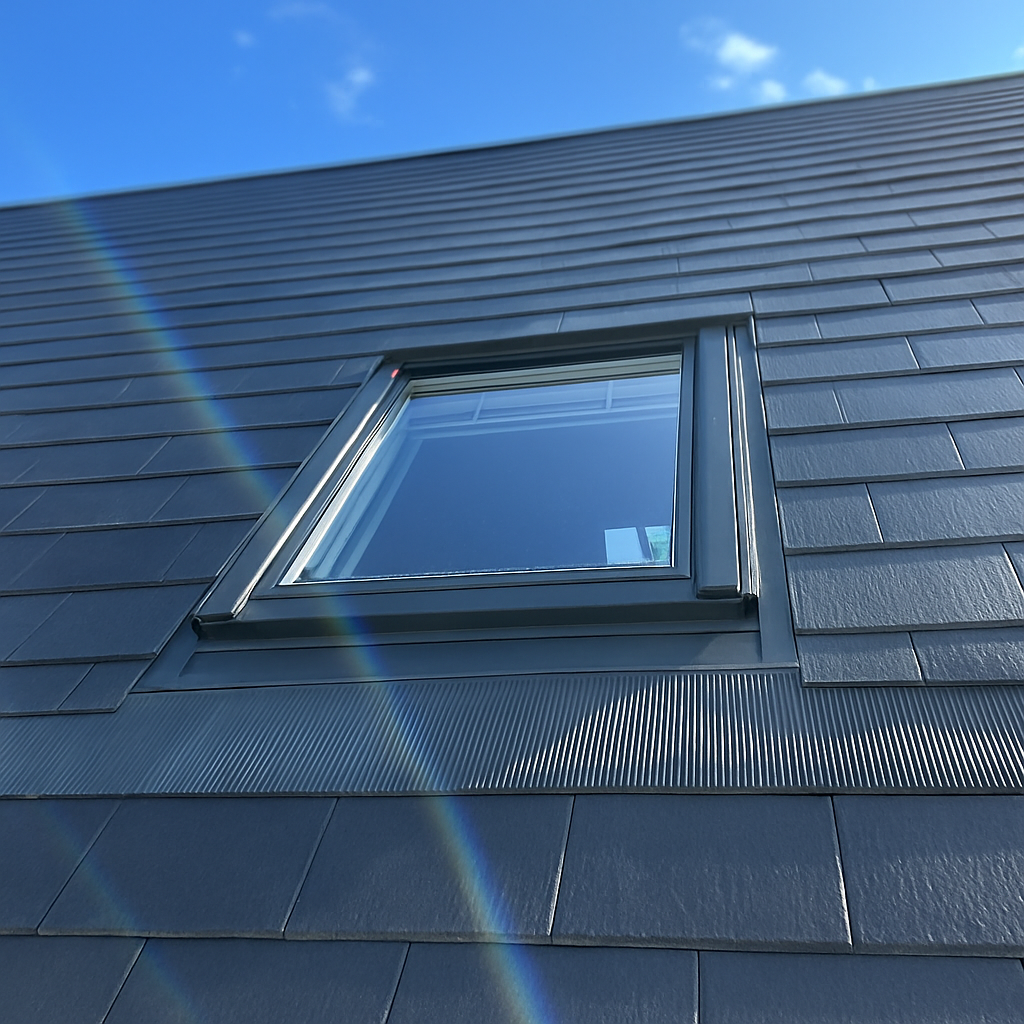
Older properties often deliver surprises in the plastered eaves zone. You might strip back to find a timber birdsmouth cut that leaves barely any seat on a plate. The right fix is a dropped wall plate section or proper rafter repair, not simply pushing eaves trays toward daylight and calling it good. That kind of judgement is what homeowners remember when they recommend a roofer a year later.
The value of clean sites and quiet neighbours
Roofing is noisy work, but it does not have to be chaotic. On tight Norwich streets, parking and ladders can cause friction. A company that speaks to neighbours, sets working hours realistically, and keeps pavements clear earns goodwill that outlasts the job. Norwich & Norfolk Roofers tends to bag waste as they go rather than letting broken tile piles grow under the scaffold. They use magnetic sweeps to capture stray nails from driveways. It sounds minor until you find one in a tyre.
Dust and debris matter more than many crews admit. A conservatory roof will scratch if you use coarse sheets. A simple layer of correx can prevent a claim and a fraught conversation. These details show whether a roofing team thinks beyond their own task list.
Evidence that carries weight
Warranty terms sound impressive until you read the exclusions. A 10 to 15 year workmanship guarantee is common in the region. The substance is in how a firm handles call-backs. The strongest signal of trust is responsiveness in year three, long after the cheque cleared. Homeowners talk about whether someone returned to reseal a slipped valley clip or to check a damp patch that turned out to be a plumbing vent. I have seen Norwich & Norfolk Roofers send a technician for half-hour checks without fuss, even when the cause was not their roof. That kind of service costs them a bit and returns a lot in reputation.
Case in point: a detached house near Hellesdon with a persistent ceiling stain after storms. The easy claim would have been “faulty pointing around the chimney not covered.” Instead, the crew traced wind-driven rain entering through a redundant flue cap, replaced it with a better cowl, and photographed the fix. No charge. The homeowner went on to book them for a garage conversion roof the next spring.
Communication that reduces risk
Most roofing anxiety grows in the gaps between expectation and reality. A scaffold goes up, a roof opens, and a homeowner stares at weather forecasts. Proactive communication calms that. Daily updates, even short ones, make the difference. If wind speeds are rising to 40 mph overnight, explain how the membrane is secured, where temporary flashings sit, and what contingency tarps are on hand. The physics of wind uplift are not complex: a loose lap becomes a sail. You prevent that with the right number of fixings per square metre and attention at perimeters.
Change control matters as well. When rotten fascia appears under a PVC capping that hid a problem, state the scope change clearly. Put the timber grade, the preservative, and the new cost in writing. Shake hands, then proceed. Surprises happen in old houses. Surprising the client should not.
The craft choices that do not show until years later
Some roofing decisions are invisible to most eyes. They are also the ones that keep a roof sound in Norfolk weather.
Nail choice: Galvanised ring shanks work on many jobs, but stainless A2 or A4 fixings in coastal zones pay off. Drive a ring shank through a slate on a house half a mile from the sea and check it in six years. The head will often show rust. Stainless does not.
Batten grade: True graded battens, stamped and compliant with BS 5534, resist snap and hold nails. Unmarked timber might survive in a sheltered inland estate, but on a ridge where gusts load tiles cyclically, poor batten quality shows up as nail pull-through. Norwich & Norfolk Roofers puts graded timber in as standard. It is dull, and it matters.
Lap length: Membrane laps that meet minimums on the spec sheet can still fail in wind-driven rain if the roof pitch is at the low end for the tile profile. Increasing lap by 50 mm on low pitches sacrifices a little material efficiency and buys a lot of security. That change never appears on a marketing flyer. It shows in leak-free winters.
Valley detailing: Dry valleys are quicker. Wet valleys with proper soakers and neatly bossed lead last and look right on period properties. The firm spends the extra hours on wet valleys when the architecture calls for it. The trade-off is cost now for longevity and aesthetic fit.
Energy performance without creating moisture traps
Post-2000 insulation upgrades left many Norfolk lofts warmer than their original design assumed. That is good for bills and rough on roofs if ventilation is ignored. Warm, moist air flooding an unventilated loft condenses on the first cold surface, often the underside of underlay or nails. Over two winters you get black spotting on membrane and wet rot in extreme cases.
A balanced approach is necessary. Increase insulation, yes, but keep a cold loft cold and moving air. That means eaves openings free of quilt blockage, baffles where insulation meets rafters, and a continuous ridge vent in many cases. When a homeowner wants to convert a loft to warm roof construction, the firm maps dew points and builds a sandwich with the right vapour control layer under rigid insulation. Skipping the vapour layer is asking for interstitial condensation. Norwich & Norfolk Roofers has saved more than one planned project from that mistake by walking the client through the layers and showing what happens with a thermal camera after installation.
How Norwich & Norfolk Roofers handle timelines
Good roofers are not the cheapest or the fastest by default. They are predictable. A two-week reroof can stretch when weather pins crews down. The honest schedule builds cushion days and uses them only when needed. It also staggers deliveries so pallets of tiles do not sit on a driveway for a week, tempting curious hands and blocking parking.
When delays occur, the firm’s approach is to stabilise the roof first. Leaving a strip half-open under a light tarp is a rookie move. Securing temporary flashings, boarding vulnerable points, and weathering with permanent materials wherever possible reduces reliance on luck. Homeowners notice the difference at three in the morning when rain hits and the ceiling stays dry.
The difference on repairs versus full replacements
Not every roof needs a full strip. Repairs have a place when the structure is sound and failures are local. Norwich & Norfolk Roofers does both, but they tend to be conservative about patching tired membranes. Replacing a few slipped tiles makes sense. Chasing repeated leaks on a 25-year-old felt underlay with UV damage does not. The right advice often sounds self-defeating in the short term: spend on a full reroof now rather than pay for three repairs and then do it anyway next year.
On historic slate roofs with random widths, a blend of reclaimed slates and new of similar weight keeps the roofline authentic without overloading older rafters. Reclaimed stock in Norfolk is finite. The firm maintains relationships with yards that source compatible slates and will turn down a repair if the match will look botched from the pavement. That honesty preserves the street’s look and the roofer’s reputation.
When to call and what to ask
Homeowners can set the tone of a project by the questions they ask. If you want to assess a roofer’s approach, ask them to describe their eaves detail, their chosen membrane weight, and how they will ventilate your roof given its insulation level. Ask for lead codes by location. Ask who will be on site, not just who sold the job. A confident firm answers plainly and welcomes the scrutiny.
Below is a short checklist you can use before you sign a contract.
- Ask for a written specification with product names, lead codes, membrane weight, batten grade, and ventilation approach. Request photos of similar local jobs and, if possible, a reference you can ring. Clarify waste removal, scaffold duration, and site protection plans for gardens and conservatories. Confirm workmanship warranty terms and how call-backs are handled in years two and three. Get a weather plan: how the roof will be left each night and what materials will be used for temporary weathering.
Why this firm keeps showing up in local recommendations
Norfolk villages hold onto good trades. Word spreads slowly, then all at once when a storm tests every roof on a street. A roofer who answers the phone after that kind of night, who turns up with tarps and a plan even for homes not under contract, earns the sort of trust that marketing money cannot buy. Norwich & Norfolk Roofers has built its name on that steady response. The hallmarks are simple: transparent specifications, tidy sites, precise detailing, and a willingness to return.
There is also a temperament piece. Crews that can explain why a ridge clip matters or why a membrane lap cannot be cheated without sounding patronising win people over. They treat roofs as systems, not surfaces. In a county where wind and water pry at every weakness, that systems view is the reason their work stays out of sight and out of mind, which is exactly where a roof belongs.
A few grounded examples from recent seasons
A four-bed in Costessey with persistent attic damp saw two roofers propose tile cleaning and fungicide. Norwich & Norfolk Roofers traced the issue to blocked eaves where insulation had been pushed tight to the rafters. They retrofitted baffles, cut back insulation at the eaves, and added a discreet ridge ventilator. Moisture readings dropped by about 10 percentage points within a fortnight, and the homeowner kept their current tiles.
In Coltishall, a bungalow within a mile of the river was losing granular felt from a 15-year-old flat roof over a kitchen. Many firms suggested a quick overlay. The better move, given trapped moisture, was to strip, dry the deck, replace two soft OSB boards, and install a GRP system with a fire-rated topcoat. The cost delta was around 15 percent. Two winters later, no blisters, no staining at the ceiling light roses, just a quiet roof.
On a terraced house off Dereham Road, scaffolds are hard to place and neighbours guard their parking with intensity. The firm negotiated shared scaffold access across two properties, reduced the number of lifts to keep sight lines open, and finished the shared valley in wet lead to suit the original look. One neighbour booked them for their dormer the next month, which tells you how much logistics and courtesy shape trust.
What “roofing norwich” should mean when you search
The phrase often leads to glossy pages with before-and-after photos. Look deeper for signs of craft: membrane weights, ventilation strategies, lead codes, batten grades, and a gallery that shows chimneys, valleys, and eaves details, not just pretty ridgelines at sunset. Norwich & Norfolk Roofers puts those details forward, which is one reason homeowners feel confident signing with them. They match materials to microclimates, keep promises about timelines, and handle the inevitable curveballs with a level head.
Roofs do not win style awards. They keep families warm and dry, silence the rain at night, and carry solar panels or a snow load without complaint. In Norfolk, with its sideways rain and bright summers, a good roof is a pragmatic joy. When a team treats it that way, trust follows, and the referrals do not stop.